
작품 소개
한국어 번역화택
옛날 옛적에, 이쿠타 마을에 살던 젊은 여성 우나이 오템이 살았습니다. 그녀의 아름다움은 두 명의 청혼자를 끌어들였고, 둘 다 그녀에게 깊은 애정을 품고 있었습니다. 선택의 고뇌 속에서 그녀는 결국 세 번째 길을 선택했습니다: 스스로의 목숨을 끊는 것이었습니다. 순수한 의도에도 불구하고, 죽음조차 그녀에게 바라던 평온을 가져다주지 못했습니다. 수십 년 후, 그녀의 무덤을 지나가던 순례자가 아름다운 젊은 여성을 만나고, 시간의 깊은 곳에서 오템의 이야기가 다시 펼쳐집니다.... 이 영화는 노 극장의 고전 희곡을 바탕으로 인간 조건의 부조리를 섬세하게 엮어내며, 카와모토 감독의 탁월한 솜씨를 보여줍니다.
원문 보기
Many years ago, a young woman named Unai-Otome lived in the village of Ikuta. As she was beautiful it was no surprise that she had two suitors, both deeply in love with her. The girl was torn apart over which one to choose. In her desperation she chose a third option - taking her own life. Although her intentions were absolutely pure, not even in death did she find the solace she desired. Many decades later, a pilgrim walking by her grave meets a beautiful young woman and her story once again rises from the depths of time.... With a plot based on a classic play of Noh traditional theatre, the film presents the peak of Kawamoto’s mastery thanks to its expert mediation of the absurdity of the human condition.
 路 (길)
路 (길) 木ノ花ノ咲クヤ森 (목화가 피는 숲)
 松が枝を結び (소나무 가지를 묶다)
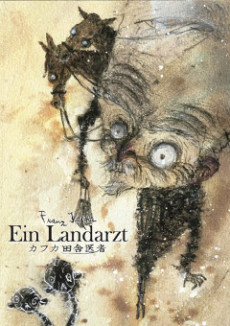 カフカ 田舎医者 (카프카 시골 의사)
 いばら姫またはねむり姫 (가시 공주 또는 잠자는 숲속의 공주)
 道成寺 (도성사)